


In e-commerce, returns are not a secondary flow. They travel through the supply chain, mobilize logistics centers, and directly impact profitability. The reverse logistics process must therefore be designed as a full-fledged supply chain activity, with a clear policy, reliable data, and a system capable of absorbing variable return volumes.
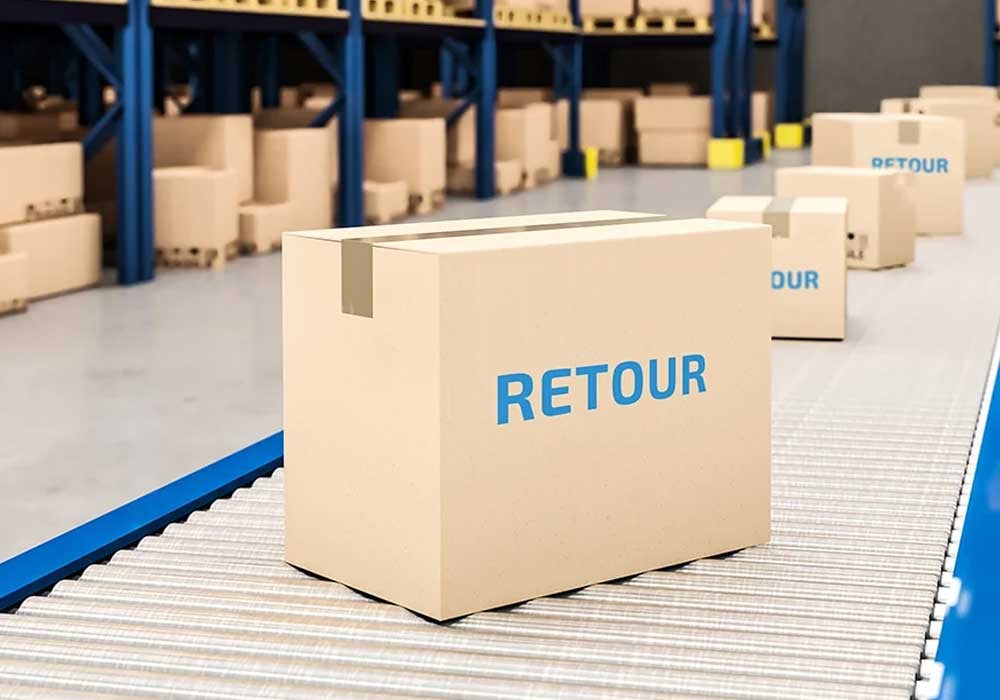
Structuring a return processing workflow
Efficient processing begins before the parcel even arrives. Return conditions, collection methods, and timeframes must be clearly displayed on product pages and throughout the purchasing journey. This transparency reduces misunderstandings and allows customers to track every step.
Upon receipt, the product is identified, registered, and routed based on its condition. Quality control checks its integrity, accessories, packaging, and compliance. This qualification then determines its destination: return to regular stock, repair, refurbishing, resale, or recycling. The process becomes smoother when routing rules are defined in advance and integrated into the information system.
An item returned by a customer can thus be put back on sale quickly if it is intact, sent to a repair area if work is needed, or directed to refurbishing when restoring it preserves its value. This organization limits losses and avoids treating all returns the same way.
Automating flows to boost performance
Reverse logistics requires precise coordination between transport, receiving, storage, inspection, and order preparation. When operations remain entirely manual, processing times lengthen and traceability becomes more fragile, especially during peak periods.
Automated systems, warehouse management software, and autonomous mobile robots can handle a portion of movements and staging. A goods-to-person solution brings products closer to operators, who can then focus on identification, quality control, and destination decisions. Discover the benefits of goods-to-person robotics applied to returns logistics.
Automation does not replace process design; it executes it with greater consistency. The choice must therefore take into account volumes, SKU diversity, site layout, and operational targets. Technology that makes sense in a large warehouse may be disproportionate in a more compact facility.
Linking returns to the customer experience
A return is a decisive touchpoint with the brand. A customer who receives clear information, a simple return process, and a timely refund maintains greater trust—even when the initial purchase did not meet their expectations. The quality of handling directly influences customer experience, satisfaction rates, and customer loyalty.
The return policy must align with the brand promise. Hard-to-understand rules or unpredictable delays create immediate friction. Conversely, a clear process, accessible tracking, and tailored communication turn the return into a service. Customer experience does not end at the website interface: it continues until the request is fully resolved.
However, speed must not come at the expense of quality. Refunding an uninspected item too quickly can cause accounting errors, while an excessively long inspection damages service perception. The right balance relies on decision rules, shared data, and tracking return rates by product category or channel.
Managing costs and product destinations
Every return generates transport, receiving, inspection, storage, and refurbishing operations. The average cost ranges from €15 to €30 per item in e-commerce, and can reach several hundred euros per batch in industrial sectors due to heavy freight and required technical expertise. These figures highlight the direct economic impact of reverse logistics, though raw cost alone is not enough to decide between in-house or outsourced management.
A return costs up to €30 in e-commerce and hundreds in industrial manufacturing.
Cost management should align expenses with results. It can track turnaround times, restock rates, the proportion sent to refurbishing, losses from depreciated products, and transport costs. These indicators provide a benchmark between different scenarios and make measured gains more visible.
Return rates also warrant analysis on a product-by-product basis. Inaccurate descriptions, poorly explained sizing, or inadequate visuals can drive avoidable returns. Insights from return reasons can then guide updates to product listings and mitigate overall operational impact.
Embedding reverse logistics in a circular economy
Recovering a product goes beyond its physical return. It aims to preserve its value for as long as possible. Reselling an intact item, repairing it, or refurbishing it extends its lifecycle, while recycling is used when other options are no longer viable.
This circular economy mindset requires reliable segmentation. A resold product must meet the quality criteria set by the company. A refurbished item must be identified as such, inspected, and routed to the appropriate channel. The decision depends on its condition, residual value, demand, and warehouse capacity.
A coherent policy prevents usable products from being destroyed or downgraded prematurely. It turns returns into a source of value recovery while improving flow control and team productivity.
Choosing the right organization for e-commerce
The right solution combines process, technology, and support. Before making any purchase, you must analyze actual flows, security constraints, e-commerce platform interfaces, and operator needs. A site visit and scenario simulation can reveal gaps between theoretical processes and daily operations.
The provider must also explain deployment, maintenance, training, and system scalability. High-performing equipment that is difficult to operate undermines business continuity. Conversely, a phased rollout secures the initial steps before expanding automation once results are validated.
Logistics solutions must therefore meet a dual requirement: reliably absorb flows while preserving a high-quality customer experience. To optimize e-commerce returns management, the goal is not just to speed up retrieval. It is about reducing lead times, limiting errors, protecting product value, and achieving sustainable performance.


Laisser nous votre commentaire